The fascinating journey of gambling From ancient rituals to modern games
The Origins of Gambling
The history of gambling can be traced back to ancient civilizations, where early humans engaged in games of chance as part of their cultural rituals. Archaeological findings suggest that dice, made from bones, were used in Mesopotamia as early as 3000 BCE. These primitive games not only served as entertainment but also played a significant role in social interactions and religious practices, providing a glimpse into the human inclination towards risk and chance. Today, players can explore the best online casinos where these timeless traditions evolve into modern experiences.

In ancient China, gambling became deeply embedded in society, with games like Keno and various forms of betting emerging during the Han Dynasty. These activities were not only about winning but also about community bonding, illustrating how gambling evolved as a shared social experience.
The Evolution of Gambling Through the Ages
As civilizations progressed, so did the complexity of gambling activities. The Romans popularized betting on gladiatorial games, creating a structured environment for wagers, while medieval Europe saw the rise of card games. These developments marked a shift from simple games of chance to more strategic forms of gambling, reflecting changes in societal norms and values.
By the 17th century, gambling houses began to emerge across Europe, catering to the growing demand for organized gambling. The establishment of lotteries in various countries further legitimized gambling as a source of revenue for governments, indicating a shift towards more institutionalized forms of betting.
The Birth of Modern Casinos
The 18th century heralded the birth of modern casinos, starting with the establishment of the first official casino in Venice in 1638. This marked a significant transition from informal betting venues to more sophisticated establishments dedicated to gambling. The allure of these grand venues attracted the elite, setting the stage for a vibrant casino culture.
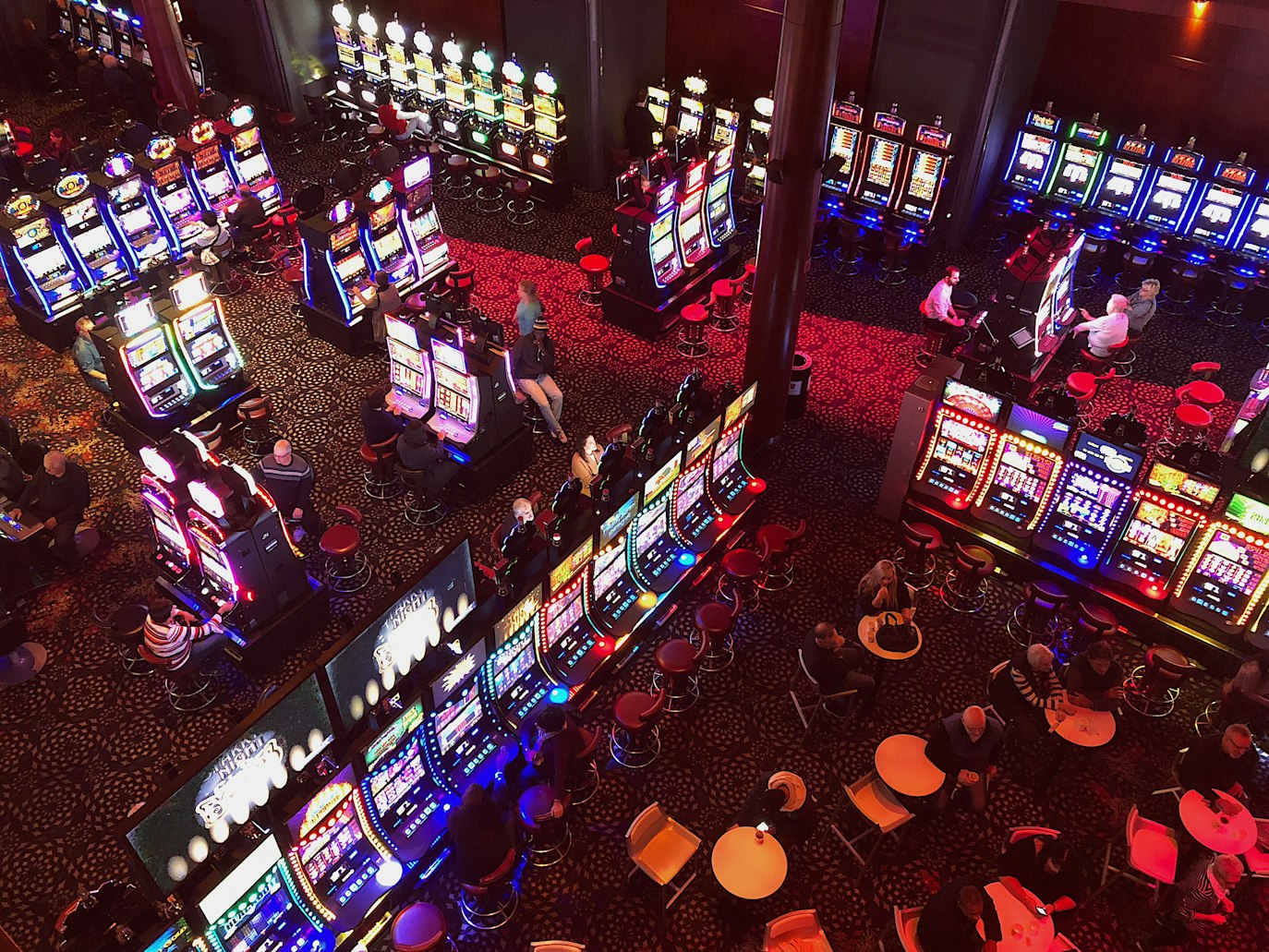
As the 19th century progressed, casinos flourished across Europe and America, with innovations such as the roulette wheel and blackjack enhancing the gambling experience. The iconic Las Vegas Strip emerged in the mid-20th century, symbolizing the peak of casino entertainment and transforming the landscape of gambling into a major global industry.
The Digital Revolution and Online Gambling
The late 20th century ushered in the digital revolution, changing the way people interact with gambling. With the advent of the internet, online casinos became a game-changer, allowing players to enjoy their favorite games from the comfort of their homes. The convenience of online gambling attracted a new demographic, making it more accessible than ever before.
Technological advancements, such as mobile gaming and live dealer options, have further enhanced the online gambling experience, bridging the gap between traditional casinos and virtual platforms. Today, players can enjoy a wide variety of games, including slots and table games, with just a few clicks, revolutionizing the gambling landscape.
Discovering Safe Online Gambling Platforms
As online gambling continues to grow, it is crucial for players to find reputable platforms that ensure a safe and engaging experience. Many websites offer detailed reviews and comparisons of licensed online casinos, making it easier for players to choose where to play. These resources not only highlight the best games available but also emphasize the importance of responsible gambling practices.
With various options available, players can explore exciting bonuses, fast payouts, and user-friendly interfaces, creating an enjoyable environment tailored to individual gaming preferences. Staying informed and cautious helps ensure that the journey through the world of online gambling remains entertaining and secure.