Understanding and Navigating Russia Sanctions
As geopolitical tensions escalate, the landscape of international trade and finance becomes increasingly complex, particularly for businesses and individuals dealing with Russia. guidance on Russia sanctions provides essential insights into the intricacies of compliance, legal advisories, and best practices for navigating these challenging waters.

Background of Russia Sanctions
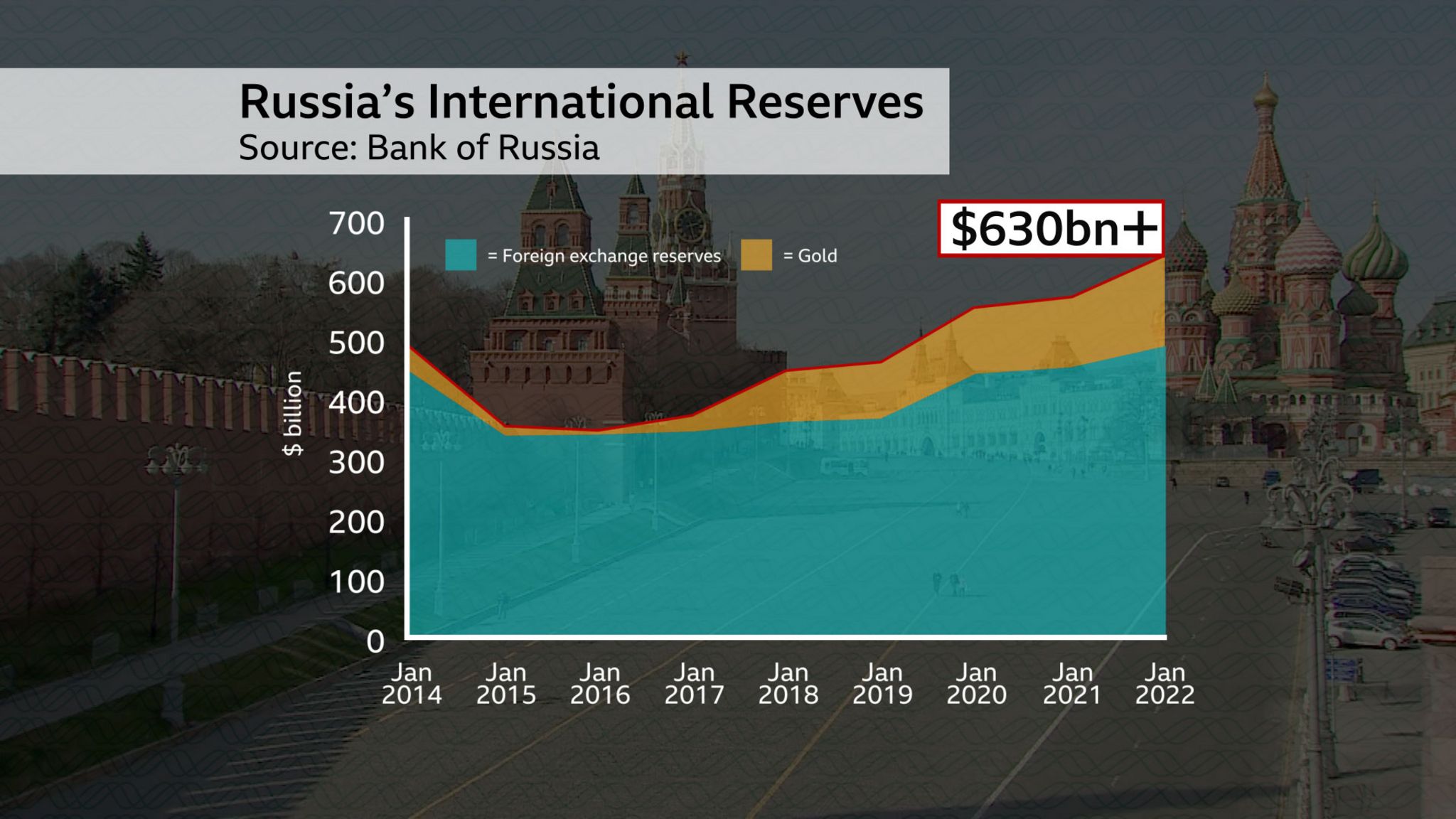
Sanctions against Russia have been in place for several years, stemming from various geopolitical crises, including the annexation of Crimea in 2014 and the ongoing conflict in Ukraine. These measures are designed to deter aggressive actions and to pressure the Russian government. They can significantly impact businesses, creating a challenging environment for foreign direct investment and trade.
Types of Sanctions Imposed
Sanctions can be broadly categorized into several types, including:
- Economic Sanctions: These involve restrictions on financial transactions, access to capital markets, and trade in specific goods and services.
- Individual Sanctions: Targeted measures against specific individuals, including travel bans and asset freezes.
- Sectoral Sanctions: Restrictions on certain sectors of the economy, such as energy, finance, and defense.
- Export Controls: Limitations on the export of certain technologies and goods that could be used for military purposes or to enhance the capabilities of certain sectors in Russia.
Key Challenges in Compliance
Businesses seeking to navigate the sanctions regime face numerous challenges, including:
- Complexity of Regulations: Sanctions are frequently updated, and understanding the nuances of these changes can be daunting.
- Risk of Secondary Sanctions: Engaging in transactions with sanctioned entities can lead to penalties, not only for those directly involved but also for third-party businesses.
- Due Diligence Requirements: Companies must conduct thorough due diligence to ensure compliance, which often involves intricate investigations into business partners and supply chains.
- Impact on Existing Contracts: Businesses must assess how sanctions may affect ongoing agreements and whether such contracts remain viable or might lead to legal consequences.
Assessing Your Exposure to Sanctions
Companies must regularly assess their exposure to sanctions by answering the following questions:
- Do your operations involve any entities or individuals that may be listed on sanction lists?
- Are your products or services in the scope of sectoral sanctions?
- How dependent are you on financial institutions that might face sanctions?
Understanding your risk profile is crucial for effective risk management.
Developing a Sanctions Compliance Program
A robust compliance program is essential for any business engaged in international commerce. Key components include:
- Policy Development: Establish clear sanctions policies that reflect current regulations and business practices.
- Training and Education: Regular staff training on the implications of sanctions and the importance of compliance.
- Monitoring and Auditing: Conduct regular audits to identify gaps in compliance and areas for improvement.
- Reporting Mechanisms: Implement procedures for reporting potential sanctions violations and ensuring proper follow-up.
Legal Advice and Assistance
Given the complexity of sanctions, seeking legal counsel is advisable. Legal professionals specializing in international trade can provide valuable guidance on:
- Interpreting sanctions regulations and understanding their implications for your business.
- Conducting risk assessments and compliance audits.
- Navigating the legal landscape regarding contested sanctions or challenges.
Conclusion
While the sanctions landscape surrounding Russia is complex and constantly evolving, proactive measures can help businesses navigate these challenges effectively. By staying informed and implementing strong compliance practices, companies can mitigate the risks associated with these sanctions and continue to operate effectively in international markets. Always consider consulting legal experts to ensure full compliance and to develop strategies that align with both business objectives and legal requirements.
In conclusion, understanding the current environment of guidance on Russia sanctions is crucial for any entity doing business with or in Russia. As the geopolitical climate evolves, ongoing vigilance and rigorous compliance practices will remain paramount.